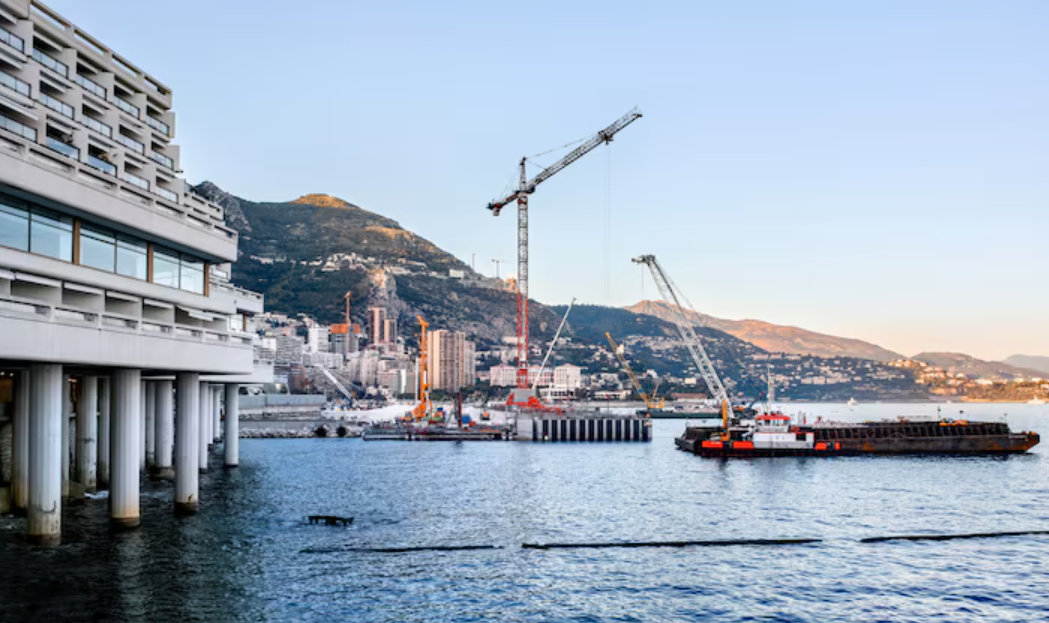
Constructing along the shoreline comes with challenges that demand precise planning and engineering. With tides, waves, wind, and erosion constantly shaping the environment, it’s essential to use methods that account for these forces. For property owners searching for coastal construction near me or seawall construction near me, modern projects focus on balancing structural strength with natural coastal conditions, ensuring buildings remain safe, durable, and resilient against years of exposure to harsh marine environments.
Understanding Coastal Forces
The first step in coastal construction is understanding the forces that act on a structure. Waves crash against the shore daily, tides rise and fall, and storms can bring extreme conditions in a short time. Coastal engineers study these forces carefully to determine how buildings will respond. By understanding the environment, construction can be designed to work with natural conditions instead of being damaged by them. Many seawall construction Miami projects begin with detailed environmental evaluations to improve long-term shoreline stability.
Foundations Built for Stability
Foundations are critical to coastal strength. Soil near the coast can be soft or unstable due to water saturation. Modern coastal construction often uses deep foundation systems anchored into stable ground below shifting soil layers. Reinforced concrete footings and adjustable support systems provide additional stability. A strong foundation ensures that the structure remains secure, even as water levels fluctuate or erosion occurs around the site. A top seawall construction company understands that reliable foundation support is essential for long-lasting coastal protection.
Selecting Materials for Durability
Saltwater and wind can deteriorate standard construction materials quickly. Coastal construction requires materials that resist corrosion and moisture damage. Marine-grade concrete, stainless steel, treated wood, and composite materials are commonly used. Protective coatings prevent water infiltration, extending the life of the structure. Material selection is key to balancing strength with the challenges of the coastal environment. The best seawall construction company in Miami often prioritizes durable materials specifically designed for long-term marine exposure.
Designing for Environmental Challenges
Coastal structures must handle a combination of waves, wind, tides, and storms. Engineers and architects incorporate these factors into every stage of design. Buildings are often elevated above typical high-tide levels to reduce flooding risk. Walls and structural supports are reinforced to absorb wave impact. Drainage systems are carefully planned to prevent water accumulation around the structure. This integrated design ensures the structure remains strong under all coastal conditions while supporting safer waterfront development across seawall construction South Florida projects.
Erosion and Shoreline Management
Erosion is a constant concern in coastal areas. Unchecked erosion can compromise foundations and damage buildings over time. Coastal construction includes strategies to manage erosion and protect the shoreline. Hard solutions like reinforced shoreline barriers and rock revetments absorb wave energy, while soft solutions such as vegetation and living shorelines stabilize soil naturally. These methods help maintain the balance between building strength and the natural coastal landscape.
Planning for Long-Term Maintenance
Even the most resilient coastal structures require ongoing attention. Coastal construction incorporates maintenance strategies into the initial design. Engineers plan access points for inspections and repairs and design structures that can adapt to future changes in tide levels, erosion rates, or climate conditions. Regular maintenance ensures that the balance between structural strength and environmental conditions is preserved for decades.
Integrating Environmental Sustainability
Modern coastal construction also emphasizes sustainability. Protecting wetlands, preserving natural vegetation, and minimizing the impact on local wildlife are integral to the planning process. Sustainable practices, such as using living shorelines, reduce erosion naturally while supporting ecosystem health. Balancing structural strength with environmental stewardship ensures that coastal projects are both resilient and responsible. The best seawall construction company also considers long-term environmental impact when developing shoreline protection solutions.
Conclusion
Coastal construction that balances strength with coastal conditions is a complex process requiring careful planning, innovative design, and ongoing attention. By understanding environmental forces, building stable foundations, using durable materials, managing erosion, and integrating sustainability, engineers create structures that can withstand the challenges of the coast. This approach helps waterfront communities remain safe, functional, and resilient for generations to come.