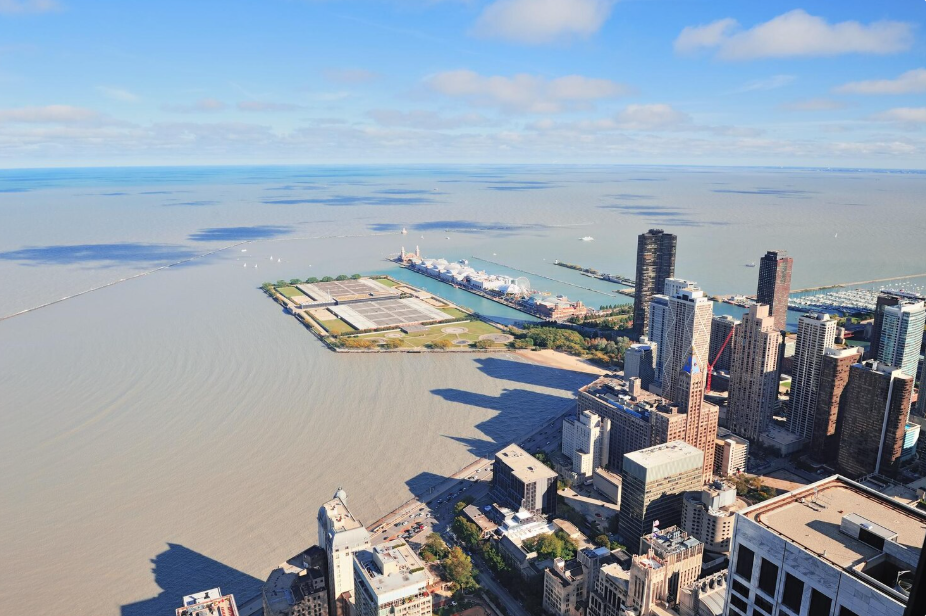
Building along the coast presents challenges unlike any standard construction project. Unpredictable forces such as waves, tides, wind, and saltwater constantly impact structures, requiring careful planning at every step from foundation design to material choice. Coastal construction that balances strength and coastal conditions combines engineering expertise with environmental adaptation, creating resilient structures capable of withstanding the unique pressures of the shoreline.
Constantly Changing Conditions
Coastal areas are dynamic. Water levels rise and fall daily, waves crash continuously, and soil near the shoreline can shift with each storm. Standard buildings are often designed for stable, predictable environments. Coastal projects, however, must adapt to movement, moisture, and erosion. This unpredictability forces engineers and builders to plan for long-term challenges instead of just short-term construction needs.
Foundations That Go Beyond Standard Design
A stable foundation is essential for any building, but in coastal environments, it is much more complicated. Engineers cannot rely on surface soil alone, as it is often loose or waterlogged. Deep foundation systems, reinforced footings, and adjustable foundation supports are commonly required. The design must account for erosion, tidal forces, and soil compression, which adds layers of complexity not found in standard building projects.
Material Selection Matters More
Saltwater, moisture, and high humidity make conventional materials unsuitable for coastal construction. Metals can corrode, wood can weaken, and concrete can crack over time. Coastal builders must select materials that withstand these conditions for decades. Marine-grade concrete, treated composites, corrosion-resistant metals, and protective coatings are essential. Coastal construction techniques used along dynamic shorelines rely heavily on durable materials that improve long-term safety while reducing maintenance demands.
Designing for Extreme Weather
Standard buildings rarely face the forces that coastal structures encounter. Hurricanes, storm surges, high winds, and heavy waves are real threats. Engineers must factor these risks into every design element. Roofs, walls, and structural connections are reinforced. Buildings may be elevated to avoid flooding, and drainage systems are strategically planned to handle water flow. Preparing for extreme weather adds a level of planning and engineering that standard construction does not require.
Balancing Strength with Environmental Responsibility
Coastal construction goes beyond simply creating strong structures; it also focuses on preserving the surrounding environment. Builders must consider wetlands, vegetation, wildlife habitats, and natural erosion patterns when planning projects. Sustainable approaches like living shorelines and reinforced shoreline barriers allow development while minimizing long-term ecological impact. By balancing human needs with environmental protection, these projects are more complex than typical construction where nature plays a smaller role.
Long-Term Maintenance Planning
Unlike typical buildings, coastal structures require proactive maintenance planning. Salt, water, and wind constantly wear down materials. Engineers must design buildings that allow easy inspection, repairs, and future upgrades. Planning for long-term adaptability such as rising sea levels or shifting shorelines is a crucial part of the engineering process and adds another layer of complexity.
Integration of Multiple Disciplines
Coastal construction requires collaboration between multiple disciplines: civil engineering, structural engineering, environmental science, and marine biology. Each discipline informs critical decisions, from erosion control to material selection and foundation design. This multidisciplinary approach adds a level of coordination and complexity far beyond standard building projects.
Conclusion
Coastal construction is more complex than standard building because it deals with constantly changing environmental conditions, extreme weather, saltwater exposure, erosion, and ecological responsibility. By combining strong engineering practices, durable materials, environmental planning, and long-term maintenance strategies, coastal construction shapes stronger waterfront communities that can safely adapt to shoreline challenges for decades.