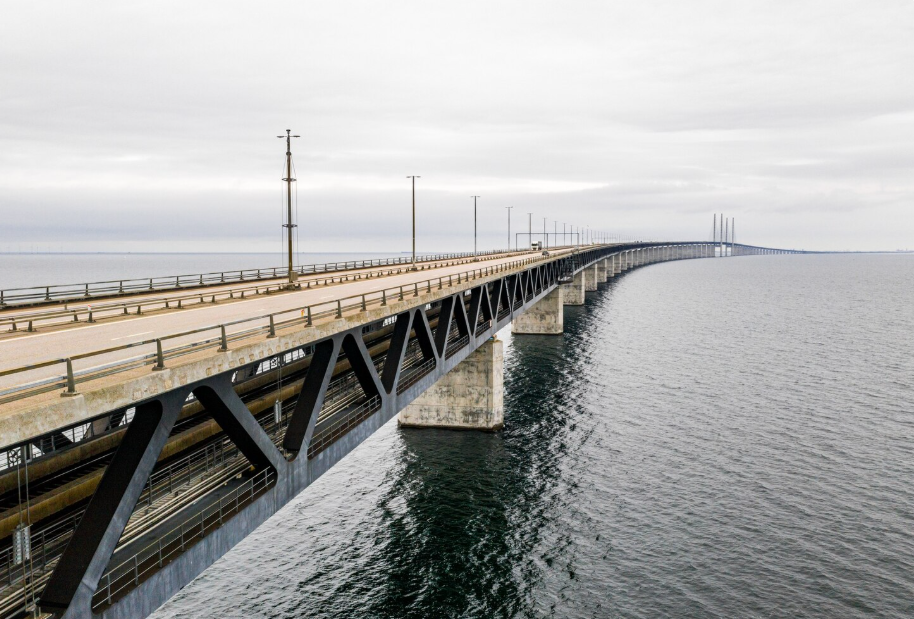
Coastal areas are constantly in flux, with rising and falling tides, crashing waves, and storms that continually reshape the shoreline. Coastal construction that balances strength and coastal conditions uses specialized techniques designed to withstand these forces while ensuring long-term stability, safety, and resilience for both structures and the surrounding environment.
Adapting to Moving Shores
Dynamic shorelines are unpredictable. Sediment shifts, erosion occurs, and tides vary seasonally. Builders must design structures that can adjust to these movements. Foundations are often deeper and reinforced to anchor buildings securely even as soil shifts. Understanding how the shoreline behaves over time is critical to preventing structural failure and protecting nearby properties.
Foundations Designed for Flexibility
The foundation is the backbone of any coastal project. On dynamic shorelines, engineers cannot rely on simple footings. Techniques like deep foundation systems and reinforced concrete footings are standard, often extending below unstable soil layers. In some cases, adjustable foundation solutions are used to accommodate tidal variations. These methods ensure that buildings remain stable even as the surrounding terrain changes.
Materials That Withstand Coastal Forces
Saltwater, wind, and constant moisture create demanding conditions that standard construction rarely faces. Coastal projects must use durable, long-lasting materials to withstand these forces over time. What makes coastal construction more complex than standard building is the careful selection of marine-grade concrete, treated wood, corrosion-resistant metals, and protective coatings. These materials enhance strength and resilience while minimizing maintenance needs along ever-changing shorelines.
Protecting Against Erosion
Erosion is a constant concern on dynamic shorelines. Waves and tidal currents gradually wear away soil, threatening foundations and structures. Modern construction techniques include reinforced shoreline barriers, retaining systems, and rock revetments to absorb wave energy. Natural solutions like vegetation and living shorelines are also integrated to stabilize soil and reduce erosion over time. Effective erosion control is essential for maintaining both the structure and the health of the shoreline.
Designing for Extreme Weather
Storms, high winds, and flooding are more frequent in coastal areas. Engineers must anticipate these forces during design. Coastal buildings are often elevated above high-tide levels to prevent flooding, while walls, roofs, and structural connections are reinforced to withstand wind and wave impact. Proper drainage systems are also implemented to protect foundations and surrounding land from water damage.
Balancing Construction with the Environment
Dynamic shorelines are sensitive ecosystems. Coastal construction techniques now focus on minimizing environmental impact. Preserving wetlands, protecting native vegetation, and using living shorelines are common strategies. Sustainable construction ensures that the natural features of the shoreline are maintained, which also supports the long-term stability of structures.
Long-Term Planning and Maintenance
Building along dynamic shorelines requires foresight. Coastal structures are designed with long-term maintenance in mind. Engineers plan for inspections, repairs, and upgrades to address changing shoreline conditions and rising sea levels. This proactive approach helps maintain the safety and durability of buildings for decades.
Conclusion
Coastal construction along dynamic shorelines requires a blend of engineering, environmental planning, and long-term strategy. Strong foundations, durable materials, and effective erosion management work together to protect structures from the relentless forces of nature. Coastal construction methods that hold up against coastal weather ensure that even in unpredictable conditions, buildings and communities remain safe, resilient, and sustainable for the long term.